

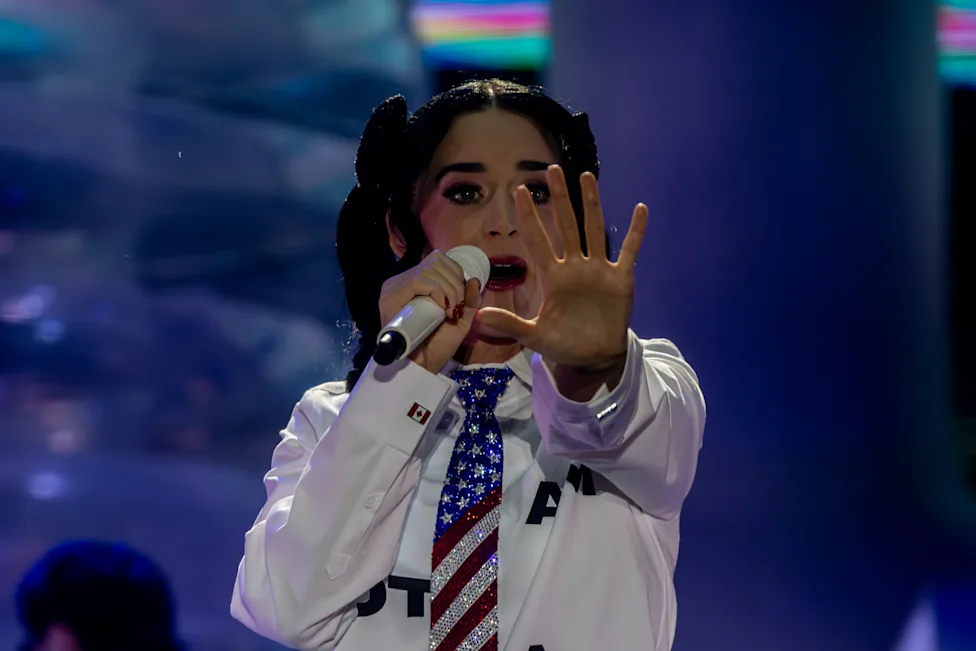
Deck: Katy Perry says nobody asked her before “Firework” showed up in a White House video about military strikes on Iran, and she’s not the only artist dealing with the unauthorized use of a song this year.
Quick Summary
- Confirmed: Katy Perry posted on X on July 25, 2026, saying she never approved the unauthorized use of a song, “Firework,” in a White House TikTok video about strikes on Iran.
- Confirmed: The White House TikTok video, posted July 23, 2026, paired footage of the strikes with the “boom, boom, boom” lyric from “Firework” and the caption “Iran has been warned.”
- Confirmed: White House Deputy Communications Director Kaelan Dorr responded to Perry on X with a clip from her own 2012 military-themed “Part of Me” video, captioned “This you?”
- Confirmed: Perry sold most of her music catalog, including “Firework,” in a reported $225 million deal, which affects her legal standing here.
- Confirmed: Perry is at least the seventh artist in 2026 to publicly object to the unauthorized use of a song by this administration, joining Kesha, Olivia Rodrigo, Ariana Grande, Sabrina Carpenter, Celine Dion, and Bruce Springsteen.
- Rumored or Unverified: None. Every claim below traces to a named post or a named outlet.
Editorial note: Celebrity Gossiper has not independently verified the unconfirmed claims listed above. (None apply to this story; all central facts carry multiple-source confirmation.)
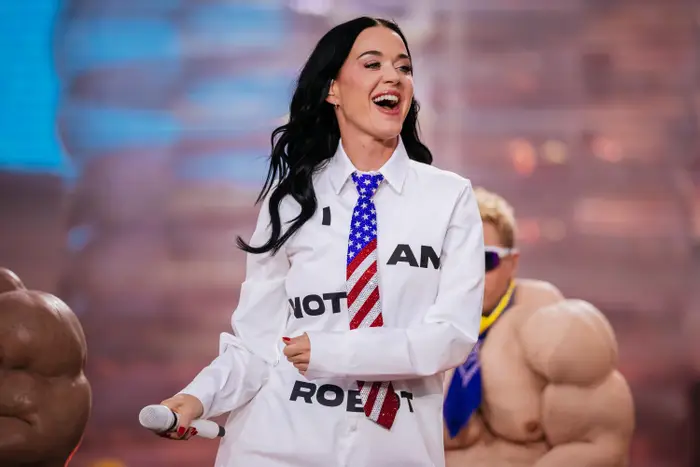
What happened? The White House TikTok account used Katy Perry’s “Firework” as the soundtrack for a video about strikes on Iran. Perry says the unauthorized use of a song she wrote as an anthem of hope is a “complete violation” of what it stands for. The administration hasn’t formally apologized.
What did Katy Perry say about the unauthorized use of a song?
Perry said she was “deeply appalled and angry” to see her song used this way. On X, she wrote that she “did not approve” and was “not asked” before the unauthorized use of a song built around hope and healing turned into a backing track for strike footage.
She didn’t stop there. Perry said the pairing was “a complete violation of everything my song stands for,” adding that “Firework” was written as “an anthem of hope, healing, and inner strength” for people in hard moments.
Her closing line drew the clearest boundary: her music, she said, is for “bringing people together,” not for soundtracking conflict. It’s a short statement, but it lays out exactly why this particular unauthorized use of a song stung.
Did the White House respond to Katy Perry?
Not officially. Deputy Communications Director Kaelan Dorr posted an informal reply on X, resurfacing footage from Perry’s own 2012 video “Part of Me,” in which she appears in fatigues, captioned simply “This you?”
That’s the extent of the administration’s public reaction so far. No formal statement has addressed the unauthorized use of a song or Perry’s request that the video come down. The White House TikTok military video song pairing that started this remains posted as of publication.
The “This you?” reply reads as a counterpoint rather than a rebuttal. It points to a past project of Perry’s that also mixed patriotic imagery with her music, without directly engaging her underlying objection: that she wasn’t consulted this time.
Is this the first time the administration has faced backlash for unauthorized use of a song?
No. Perry is at least the seventh artist in 2026 to object to the unauthorized use of a song by this administration. Kesha, Olivia Rodrigo, Ariana Grande, Sabrina Carpenter, Celine Dion, and Bruce Springsteen have all pushed back on comparable posts this year.
Kesha was first, in March, after the White House TikTok used her song “Blow” for a video about military action. Her response on X was blunt: “Stop using my music, perverts.”
Rodrigo objected after her song “All-American Bitch” backed a deportation-related video. Grande spoke out in June when her song “Bye” soundtracked a video about ICE arrests, calling the pairing “barbaric” and “inhumane” in a comment. Even the White Stripes’ “Seven Nation Army” turned up in a similar post earlier this month.
The Katy Perry Firework White House story fits neatly into that run. Each case involves the unauthorized use of a song by an artist who publicly opposes how it was applied, whether the artist likes the administration or not.
Can Katy Perry legally stop the White House from using her song?
Probably not, at least not easily. Perry sold most of her publishing catalog, including “Firework,” in a reported $225 million deal. That means the unauthorized use of a song like this one is more of a licensing dispute than something she can necessarily block outright.
Once a catalog sale happens, the buyer typically controls licensing decisions, and platforms like TikTok often operate under blanket licensing agreements with labels and publishers. That’s part of why a video like this can go up without the original artist being consulted directly.
It’s a musicians song used without permission in the sense that Perry personally wasn’t asked, even if the underlying rights holder technically cleared it. That distinction is exactly where artists keep running into friction with how their old hits get repurposed.
Why do artists keep objecting to how their music gets used?
Selling a catalog usually means giving up creative control over where a song ends up, whether that’s a commercial, a campaign ad, or government content. Artists can still speak out publicly, but the unauthorized use of a song after a sale is a different legal situation than using a song with no rights cleared at all.
That gap between moral objection and legal recourse is the real throughline connecting Perry’s statement to Kesha’s, Rodrigo’s, and the others. It’s less about any single video and more about what artists actually keep when they cash out on their back catalog.
Timeline
- July 23, 2026: White House TikTok posts a video pairing “Firework” with Iran strike footage, captioned “Iran has been warned.”
- July 25, 2026: Perry responds on X, calling the unauthorized use of a song “a complete violation.”
- July 25, 2026: Kaelan Dorr replies “This you?,” resurfacing Perry’s 2012 “Part of Me” video.
- As of publication: The White House has not issued a formal statement, and the original video remains live.
Sources reviewed for this story
Katy Perry’s public post on X (July 25, 2026); the original White House TikTok video (July 23, 2026); reporting from The Hollywood Reporter, The Washington Post, Fox News, Rolling Stone, Mediaite, CBC News, and The Hill (July 25–27, 2026). Reddit communities (r/Fauxmoi, r/popculturechat) were monitored for trend signal only; no verified threads were found on this story at time of publication, and no claim in this piece relies on Reddit sourcing.
Final Takeaway
Whatever side of the politics anyone lands on, Perry’s complaint points to something real. Once an artist sells a catalog, someone else often calls the shots on how a song gets used, and each new unauthorized use of a song by a political account puts that tension back in the spotlight.
FAQ
1. What song did the White House use without Katy Perry’s permission? “Firework,” Perry’s 2010 hit, was used in a White House TikTok video about strikes on Iran.
2. When did Katy Perry respond to the unauthorized use of a song? She posted her response on X on July 25, 2026, two days after the video went up.
3. Did Katy Perry give permission for this? No. She said on X she “did not approve” and was “not asked” before the unauthorized use of a song went up.
4. How did the White House respond to Katy Perry? Deputy Communications Director Kaelan Dorr posted an informal reply referencing her own past military-themed music video, but the administration hasn’t issued an official statement.
5. Can Katy Perry sue over the unauthorized use of a song? It’s unlikely. She sold most of her catalog, including “Firework,” in a reported $225 million deal, which limits her legal control over licensing.
6. Which other artists have objected to similar unauthorized use of a song by this administration? Kesha, Olivia Rodrigo, Ariana Grande, Sabrina Carpenter, Celine Dion, and Bruce Springsteen have all spoken out against comparable incidents in 2026.
7. Is “Firework” still tied to political moments? Yes. The song soundtracked the 2021 presidential inauguration and now this controversy, showing how differently the same song can land depending on the moment.
Debate Poll
Once an artist sells their catalog, should they still get a say in the unauthorized use of a song for political content?
- Yes, moral ownership matters even after the sale
- No, selling the rights means giving up that control
Why did you vote that way? Drop your take in the comments.