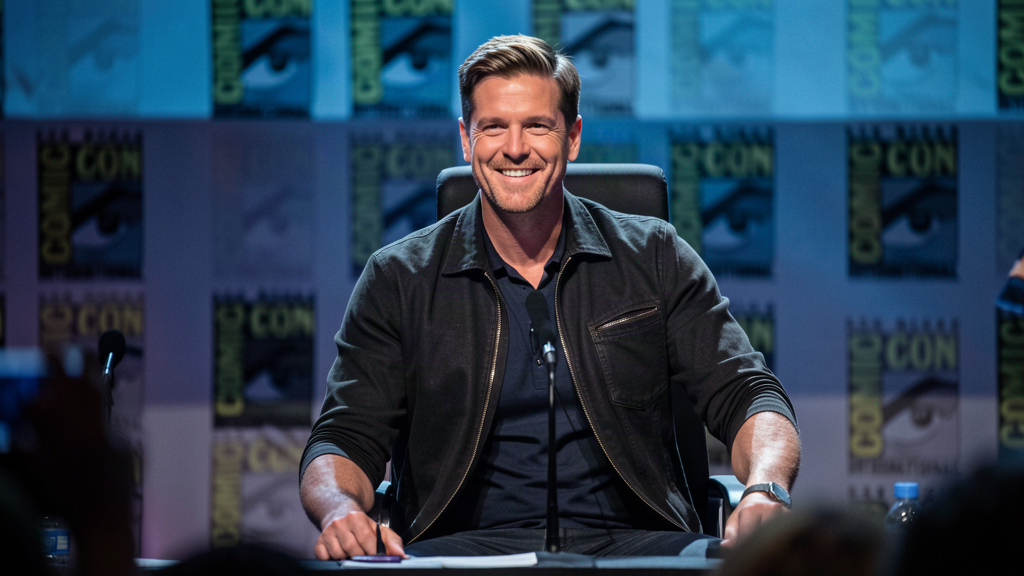


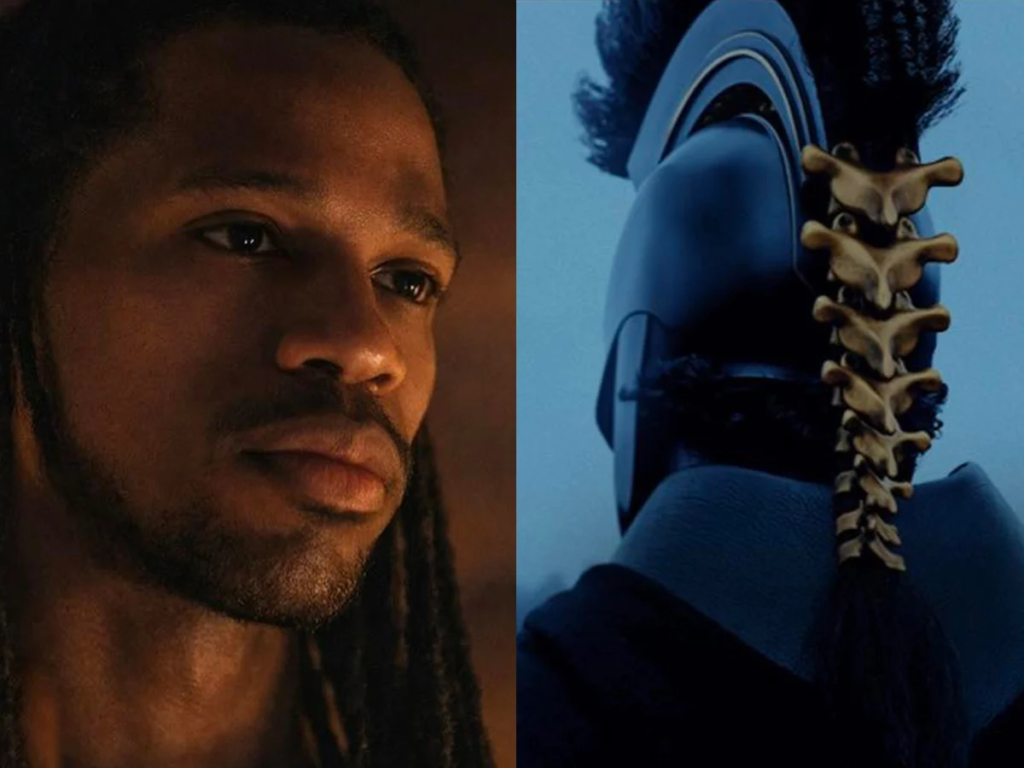
Deck: Travis Scott’s casting in Christopher Nolan’s The Odyssey confused people the moment it leaked. Now that the film is actually out, the surprise celebrity casting reactions have changed more than anyone expected.
Quick Summary
- Travis Scott’s casting was revealed via an NFL AFC Championship TV spot on January 25, 2026.
- Initial reaction was mostly confusion and mockery online.
- The Odyssey released July 17, 2026, giving audiences their first look at the actual performance.
- Scott plays a bard who sings about Odysseus’s war victories to Penelope’s suitors, before Penelope cuts him off.
- Post-release reaction has shifted noticeably more positive, with fans praising his performance.
- Reported: Scott discussed the role publicly on The Tonight Show, calling Nolan “a real mentor.”
- A cultural case has emerged online comparing bardic storytelling to rap’s own oral tradition, giving the casting more context than it had in January.
What happened? Scott’s casting confused people back in January, before anyone had context for the role. Now that the film is out, the reaction has moved from “why is he in this” to a more specific, mixed-but-mostly-positive read on the actual scene, plus some real cultural commentary about why the casting makes more sense than it looked at first.
Why was Travis Scott’s casting in The Odyssey controversial?
It wasn’t controversial so much as confusing. When Scott’s casting leaked during a TV spot in the middle of the AFC Championship game in January, nobody had any context. A mainstream rapper appearing in a Nolan-directed adaptation of Homer read, to a lot of people, like a mismatch on its face.
The reaction at the time was mostly bewilderment rather than genuine backlash. One fan asked what part of Greece Scott’s character was even supposed to be from. Another called the pairing “wild.” None of it was hostile so much as genuinely surprised, which makes sense given nobody had seen a single frame of the performance yet.
What is Travis Scott’s actual role in The Odyssey?
Scott plays a bard who entertains the suitors occupying Ithaca while Odysseus is still missing. As the suitors feast and wait for their chance to marry Penelope and take the throne, Scott’s character performs songs recounting Odysseus’s victories in the Trojan War, punctuating the verses by striking his staff against the floor. Penelope, played by Anne Hathaway, has clearly heard enough of these performances and cuts the song short.
It’s a small role, not a stunt cameo stretched across the runtime. That detail matters for understanding why the post-release reaction looks so different from the January confusion. People reacting to a two-second TV spot and people reacting to an actual scene with actual context are having two different conversations.
How has reaction to Travis Scott’s role changed since the film’s release?
Reaction has shifted noticeably. Fan comments following the release have leaned positive, with viewers specifically praising the performance itself rather than just discussing the novelty of the casting. Comments describing Scott as having “crushed his scene” reflect a very different tone than the confused reactions from January.
Scott has also spoken publicly about the experience since release, appearing on The Tonight Show to describe the process. He said he initially thought Nolan was calling him for another end-credits song, similar to their prior collaboration on Tenet, and was surprised to learn it was an actual acting role alongside Anne Hathaway, Tom Holland, and Robert Pattinson. He described feeling “nervous as f—” going into it and called Nolan “a real mentor” of his.
This is a meaningfully different discourse than the one from January. That earlier reaction was pure speculation. This one is response to an actual finished performance, plus Scott’s own account of making it.
Is there real backlash to Travis Scott’s Odyssey role?
Not much, based on what’s actually out there. Coverage examining the reaction directly has found the negative response limited to a small, vocal minority online rather than anything resembling a widespread controversy. That’s worth stating plainly rather than inflating a mild story into a bigger one than it is.
Most of the discourse breaks down into three groups: people who enjoyed seeing Scott in the film, people who didn’t recognize him at all, and a small number of critics who objected on principle. That’s a fairly ordinary reaction to unconventional casting, not a genuine social-media firestorm.
Why did Nolan cast a rapper as a Greek bard?
There’s a real cultural argument for this pairing, and it’s more interesting than “stunt casting.” Rap has its own long tradition of boastful, exaggerated storytelling in verse, narrators spinning larger-than-life accounts of conflict and victory. That’s not far from what a Homeric bard does within the story itself: recount a hero’s exploits in dramatic, embellished form for an audience.
Framed that way, casting a rapper as the bard isn’t a mismatch so much as a fairly literal parallel. Whether Scott specifically is the right messenger for that idea is a separate question from whether the idea itself holds up, and reporting on the film’s press cycle suggests Nolan intended the connection deliberately rather than as a celebrity cameo for its own sake.
Timeline
- January 25, 2026: Travis Scott’s casting revealed via a TV spot during the AFC Championship game.
- Early 2026: Online reaction to the reveal is largely confusion and speculation.
- July 17, 2026: The Odyssey releases in theaters, giving audiences their first look at the actual performance.
- Mid-to-late July 2026: Scott discusses the role publicly, including an appearance on The Tonight Show. Post-release reaction shifts toward the actual performance rather than the casting news itself.
Sources
- The Tab, post-release analysis of Scott’s scene and role, July 2026
- Rolling Stone, Travis Scott’s Tonight Show interview coverage, July 2026
- Texas Monthly, cultural analysis of the casting and reaction, July 2026
- Yahoo Entertainment / DiscussingFilm, original January reveal and fan reaction, January 2026
- Geo.tv, post-release fan comment roundup, July 2026
Final Takeaway
Travis Scott’s Odyssey casting looked like a mismatch back in January, when all anyone had was a few seconds of TV spot footage. Now that the film’s actually out, the reaction has mostly settled into something calmer and more specific: a small role, played reasonably well, with a legitimate cultural logic behind it that wasn’t obvious from the outside.
FAQ
1. What role does Travis Scott play in The Odyssey? He plays a bard who performs songs about Odysseus’s war victories for the suitors occupying Ithaca, before Penelope cuts the performance short.
2. When was Travis Scott’s casting first revealed? During a TV spot aired in the middle of the AFC Championship game on January 25, 2026.
3. Has Travis Scott worked with Christopher Nolan before? Yes. He previously contributed a song, “The Plan,” to Nolan’s 2020 film Tenet.
4. How has reaction to his casting changed since the film’s release? Initial reaction in January was mostly confusion. Post-release reaction has shifted more positive, with fans specifically praising the performance.
5. Is there significant backlash to the casting? No. Reporting on the reaction found criticism limited to a small, vocal minority rather than a widespread controversy.
6. What did Travis Scott say about filming the role? He described being “nervous as f—” and said he initially thought he’d been asked to record another song rather than act. He called Nolan “a real mentor.”
7. Is there a deeper reason behind casting a rapper as a Greek bard? Some cultural commentary has drawn a parallel between rap’s tradition of boastful storytelling and the function of a Homeric bard, suggesting the casting has more logic to it than it first appeared.
Debate Poll
Did Travis Scott’s Odyssey casting actually work?
- 🎤 Yes. It’s a small role and the bard-as-storyteller logic genuinely holds up.
- 🤨 No. It’s still a distracting stunt casting choice in a serious epic.
Why did you vote that way? Drop your take in the comments.